Best Pilsner Beers in Pennsylvania: A Guide for Lager Lovers
Pennsylvania is one of the oldest brewing states in the country. The tradition goes back to the 1800s, and for most of that history, the beer people drank was some version of a pilsner or a lager. Light, crisp, easy to drink, and built for the end of a long day.
That tradition is still alive. Pennsylvania is home to dozens of breweries producing pilsner-style beers, from small craft operations to legacy brands that have been around for over a century. But if you're searching for the best pilsner beer in Pennsylvania, the answer depends on what you actually care about: flavor, ingredients, history, or all three.
What Is a Pilsner, Exactly?
A pilsner is a type of lager. All pilsners are lagers, but not all lagers are pilsners. The style originated in the Czech city of Plzen in 1842 and quickly spread across Europe, especially Germany. It's defined by a light golden color, a clean finish, and a noticeable hop bitterness that separates it from other lagers.
There are two main styles. Czech pilsners tend to be slightly fuller with a more rounded malt character. German pilsners are drier and crisper with a sharper hop bite. Most American pilsners fall somewhere in between, though many large-scale versions have drifted far from the original by adding adjuncts like corn syrup and rice to cut costs.
The Problem With Most American Pilsners
Here's where it gets interesting. Most of the pilsner-style beers you see on store shelves in Pennsylvania aren't true pilsners. They're adjunct lagers. That means the brewer has replaced some or all of the barley malt with cheaper grains like corn or rice. The result is a lighter body and lower production cost, but it also strips out the malt character that makes a real pilsner worth drinking.
On top of that, many mass-market pilsners include artificial preservatives, stabilizers, and other additives that have nothing to do with beer. You won't always find an ingredient list on the can, and there's a reason for that.
If you're looking for a pilsner in Pennsylvania that's actually brewed the way the style was intended, you need to pay attention to what's in it.
What to Look for in a Quality Pilsner or Lager
The best pilsners and lagers share a few things in common:
They're brewed with malted barley, not corn or rice adjuncts. The malt is what gives the beer its body, its flavor, and its natural sweetness. When you replace it with cheaper grains, you lose all of that.
They use real hops. Hops provide the bitterness and aroma that balance out the malt. In a good pilsner, you should taste them. In a mass-market version, they're barely there.
They skip the additives. No artificial preservatives, no stabilizers, no added sugars. Just water, barley, yeast, and hops. That's the standard the German Beer Purity Law (Reinheitsgebot) set in 1516, and it's still the gold standard for clean brewing.
They take time. Quality lagers and pilsners require longer fermentation and cold conditioning. That costs more, but it produces a smoother, cleaner beer. Shortcuts show up in the glass.
Where Stoney's Fits In
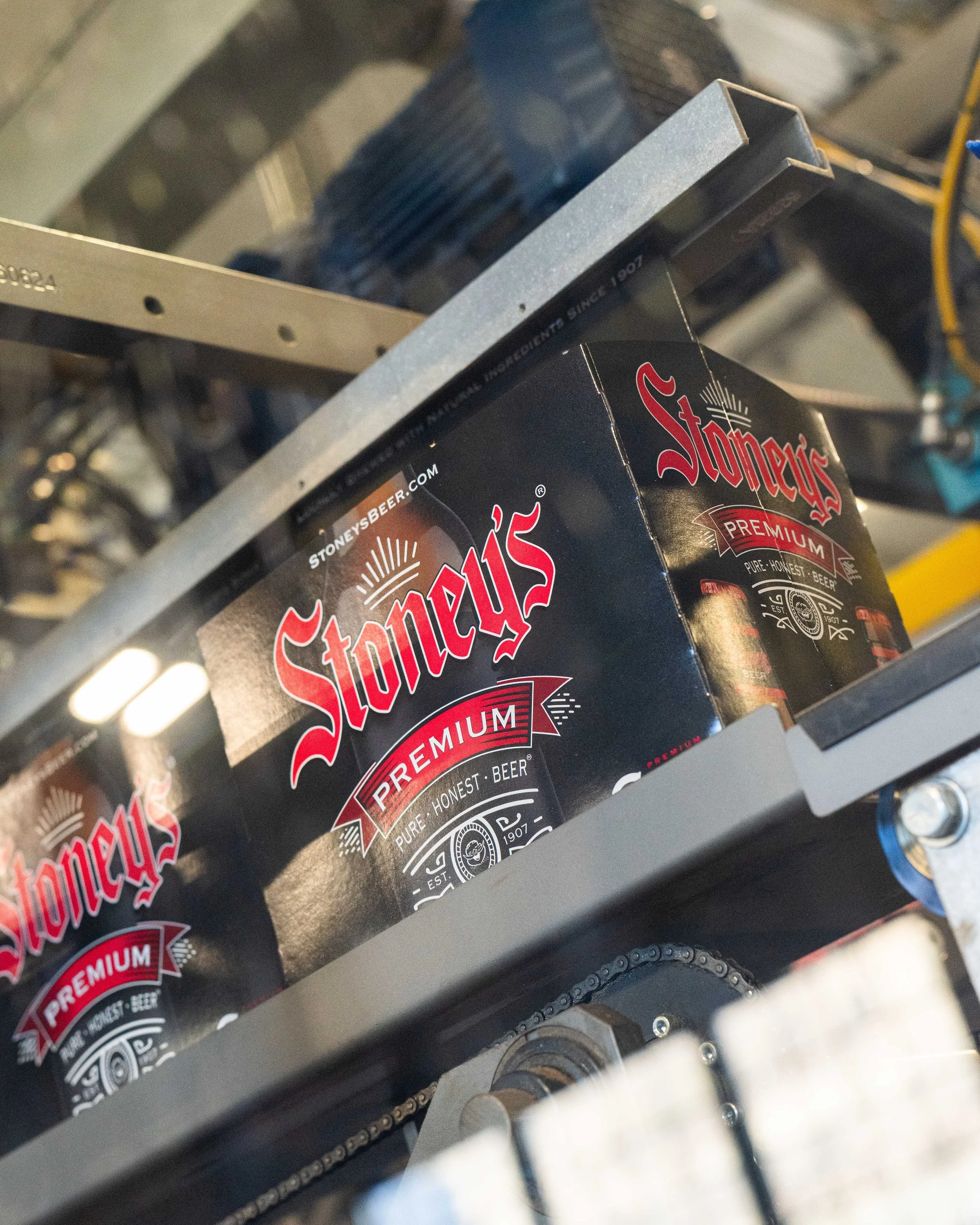
Stoney's Beer isn't technically a pilsner. It's a classic American lager brewed in the Old World all-malt tradition. But if you're a pilsner drinker in Pennsylvania, Stoney's is the beer you should be trying next.
Here's why. Stoney's Premium and Stoney's Light are both brewed with only four ingredients: water, barley, yeast, and hops. No corn syrup. No rice. No artificial preservatives. No added sugars. No shortcuts. Both beers qualify under the German Beer Purity Law, which is more than most pilsners on the market can say.
Stoney's Premium is a 4.6% ABV American lager with a Silver Medal from the Great American Beer Festival. It has a full malt body with a clean, crisp finish. If you like Czech-style pilsners with real malt character, this is your beer.
Stoney's Light is a 4.3% ABV light lager that won a Gold Medal at the 2014 LA International Beer Competition and a Silver Medal at the Great American Beer Festival. It was built from the ground up to be its own beer, not a watered-down version of the original. If you drink light pilsners, this is the upgrade.
Both have been brewed naturally in Pennsylvania since 1907 by a family-owned brewery that's now in its fourth generation. No corporate ownership. No recipe changes to save money. Just the same all-malt lager that people have been asking for by name for over a century.
Pennsylvania Has a Deep Pilsner and Lager History
Pennsylvania's beer history is built on lagers and pilsners. The state's German and Eastern European immigrant communities brought their brewing traditions with them, and those traditions took root in towns across Western Pennsylvania, the Lehigh Valley, and beyond.
For decades, Pennsylvania was home to some of the most recognized lager brands in the country. Some of those brands are still around. Others have been bought out, moved out of state, or changed their recipes beyond recognition. The ones worth paying attention to are the ones that stayed local, stayed independent, and kept brewing the way they always have.
That's the difference between a brand that trades on nostalgia and a brand that still earns it.
The Bottom Line
If you're searching for the best pilsner beer in Pennsylvania, start by looking at what's actually in the beer. The style was built on simplicity: water, malt, hops, and yeast. The best versions still honor that. The rest are cutting corners and hoping you don't notice.
Stoney's isn't trying to be a pilsner. It's something better. A naturally brewed, all-malt American lager made with four ingredients and nothing else. Award-winning, family-owned, and still brewed in Pennsylvania the way it was in 1907.
If you're a pilsner drinker looking for something real, this is it.