What Is the Reinheitsgebot? The German Beer Purity Law, Explained.
In 1516, a law was passed in Bavaria, Germany that would change the way beer was brewed for the next five centuries. It was called the Reinheitsgebot, and its purpose was simple: protect the quality of beer by restricting what could go into it.
The law stated that beer could only be made with three ingredients: water, barley, and hops. Yeast wasn't included in the original text because it hadn't been discovered yet. Brewers at the time didn't understand fermentation the way we do now. They just knew that something in the air made the magic happen. Once yeast was identified, it was added to the list. So the modern version of the Reinheitsgebot allows exactly four ingredients: water, barley, yeast, and hops.
That's it. Nothing else.
No corn syrup. No rice. No artificial preservatives. No stabilizers. No added sugars. No flavor enhancers. No shortcuts.
Why Did the Law Exist?
The Reinheitsgebot wasn't just about taste. It was about protection. Before the law, some brewers were adding all kinds of things to their beer to cut costs or extend shelf life. Some of those additives were questionable at best and dangerous at worst. The purity law drew a hard line: if it's not water, barley, yeast, or hops, it doesn't belong in beer.
It also served an economic purpose. By restricting beer ingredients to barley, the law preserved wheat and rye for bread bakers. Beer was important, but so was making sure people could eat.
Over time, the Reinheitsgebot became a point of pride for German brewers. It signaled quality, tradition, and respect for the craft. Breweries that followed the law weren't just making beer. They were making a commitment to doing things the right way, even when cheaper options existed.
What Do Most Big Brands Actually Use?
Walk into any store and pick up a mass-produced American lager. Look at the ingredients. Most of them won't list four ingredients. Many won't list ingredients at all.
That's because most large-scale commercial beers use adjuncts. Adjuncts are substitutes for barley that are cheaper to brew with. The most common ones are corn syrup and rice. They lighten the body of the beer and reduce production costs, but they also strip out the natural malt character that barley provides.
On top of that, many mass-market beers include artificial preservatives, stabilizers, and other additives to extend shelf life and maintain consistency across millions of cans. These aren't necessarily harmful, but they're not necessary either. Brewers managed to make great beer for hundreds of years without them.
The result is a beer that's cheaper to produce but further removed from what beer was originally meant to be.
A 500-Year-Old Standard in a Modern American Lager
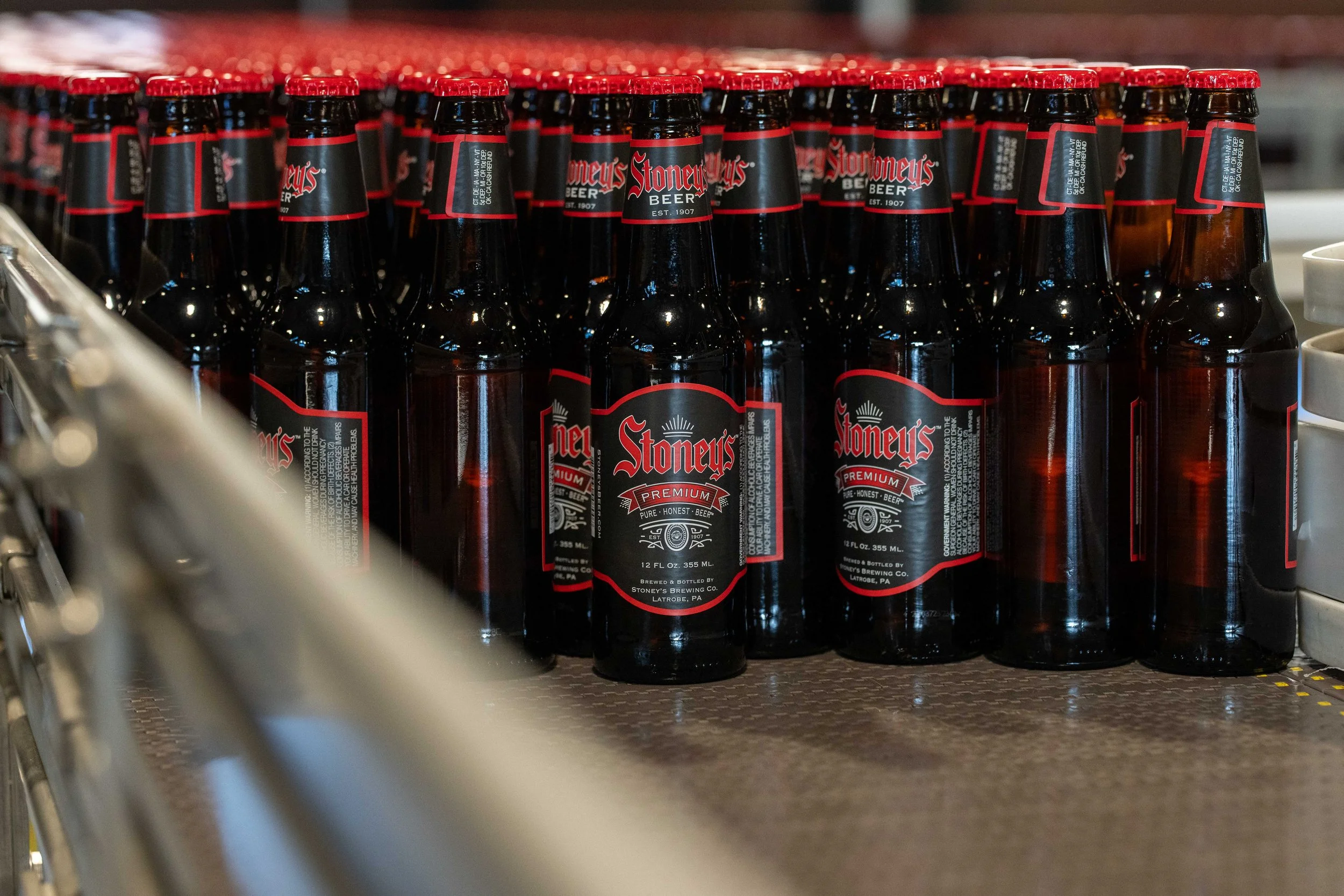
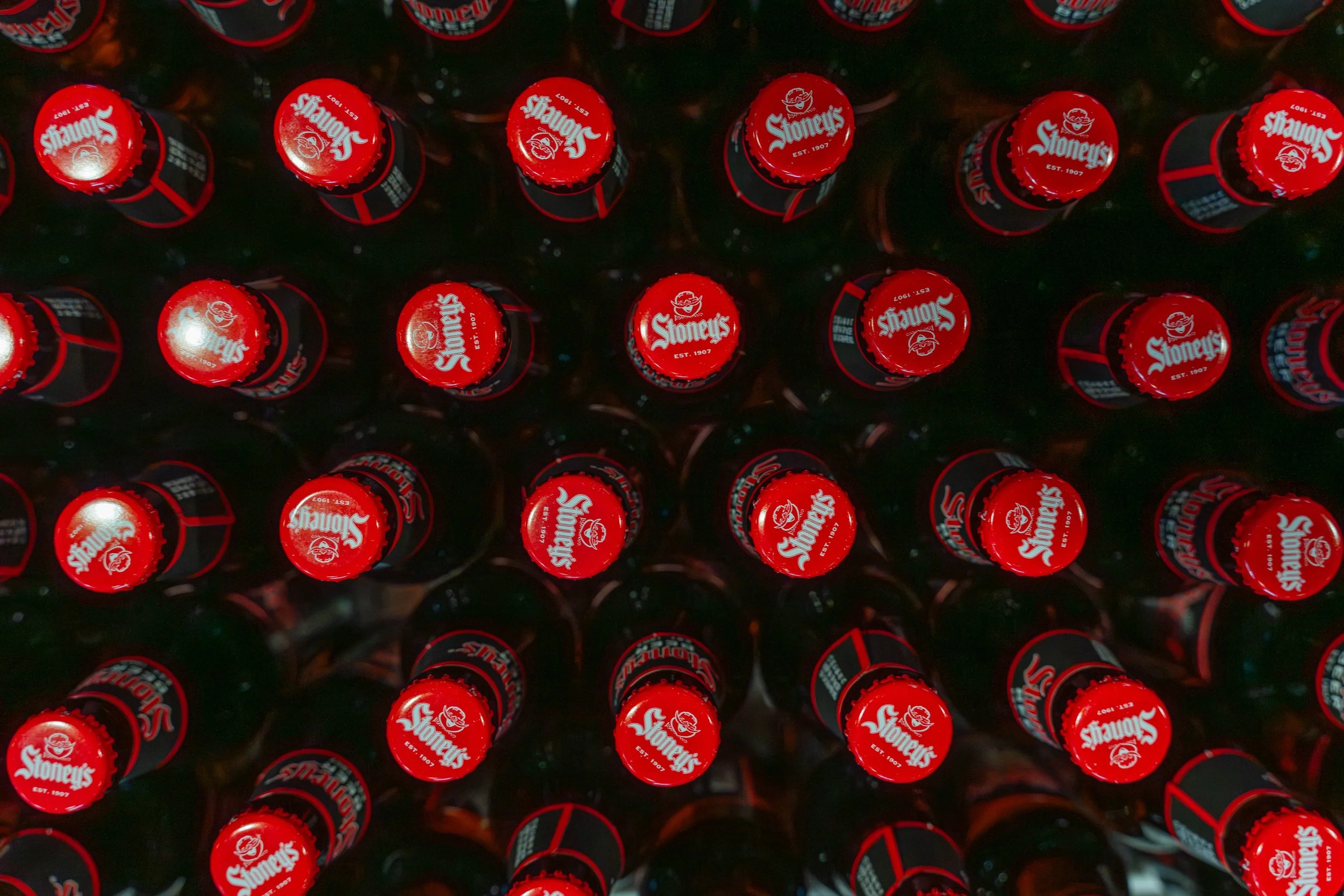
Stoney's Beer follows the Reinheitsgebot. Every batch of Stoney's Premium and Stoney's Light is brewed with only four ingredients: water, barley, yeast, and hops. No corn syrup. No rice. No added sugars. No artificial preservatives. No fillers. Nothing extra.
This isn't a marketing angle. It's just how the beer is made, and how it's been made since 1907, when William "Stoney" Jones started brewing in Smithton, Pennsylvania. The recipe calls for extended brewing and traditional fermentation, which takes longer and costs more, but produces a natural tasting beer with real malt character.
Stoney's Premium is a classic American lager brewed in the Old World all-malt style. It won a Silver Medal at the Great American Beer Festival. Stoney's Light was built from the ground up to be crisp, clean, and full of flavor without the weight, and it took home a Gold Medal at the 2014 LA International Beer Competition. Both beers qualify under the German Beer Purity Law because neither contains anything that wasn't in the original recipe.
In a market full of beers loaded with ingredients you can't pronounce, Stoney's keeps it simple. Four ingredients. No shortcuts. Pure, honest beer.
Why Should You Care?
You don't have to care about a 500-year-old German law to enjoy a beer. But if you've ever wondered why some beers taste cleaner than others, or why some leave you feeling bloated while others don't, the answer often comes down to what's in the can.
Fewer ingredients means fewer variables. When a beer is brewed with just water, barley, yeast, and hops, the quality of those ingredients matters. There's nothing to hide behind. The beer is either good or it isn't.
That's the standard the Reinheitsgebot set in 1516. And it's the standard Stoney's still brews to today.