More Than a Beer: The Story of Stoney's, the Towns That Built It, and Why Drinking Local Has Never Mattered More
There are beers you drink. And then there are beers that mean something.
For generations of people across Western Pennsylvania, Stoney's Beer has been the second kind. It has been in the cooler at family reunions, cracked open after long shifts at the mill, raised at weddings in church halls, and passed between friends at VFWs from Smithton to McKeesport. It has been the beer on the table when good things happened and the beer that helped people get through hard ones.
But Stoney's is more than a drink. It is a story. A long, complicated, proud, and deeply human story about a small town, a family, a community, and what it means to build something that lasts.
This is that story. And it starts in 1907.
A Poker Game, a Small Town, and the Start of Something Real
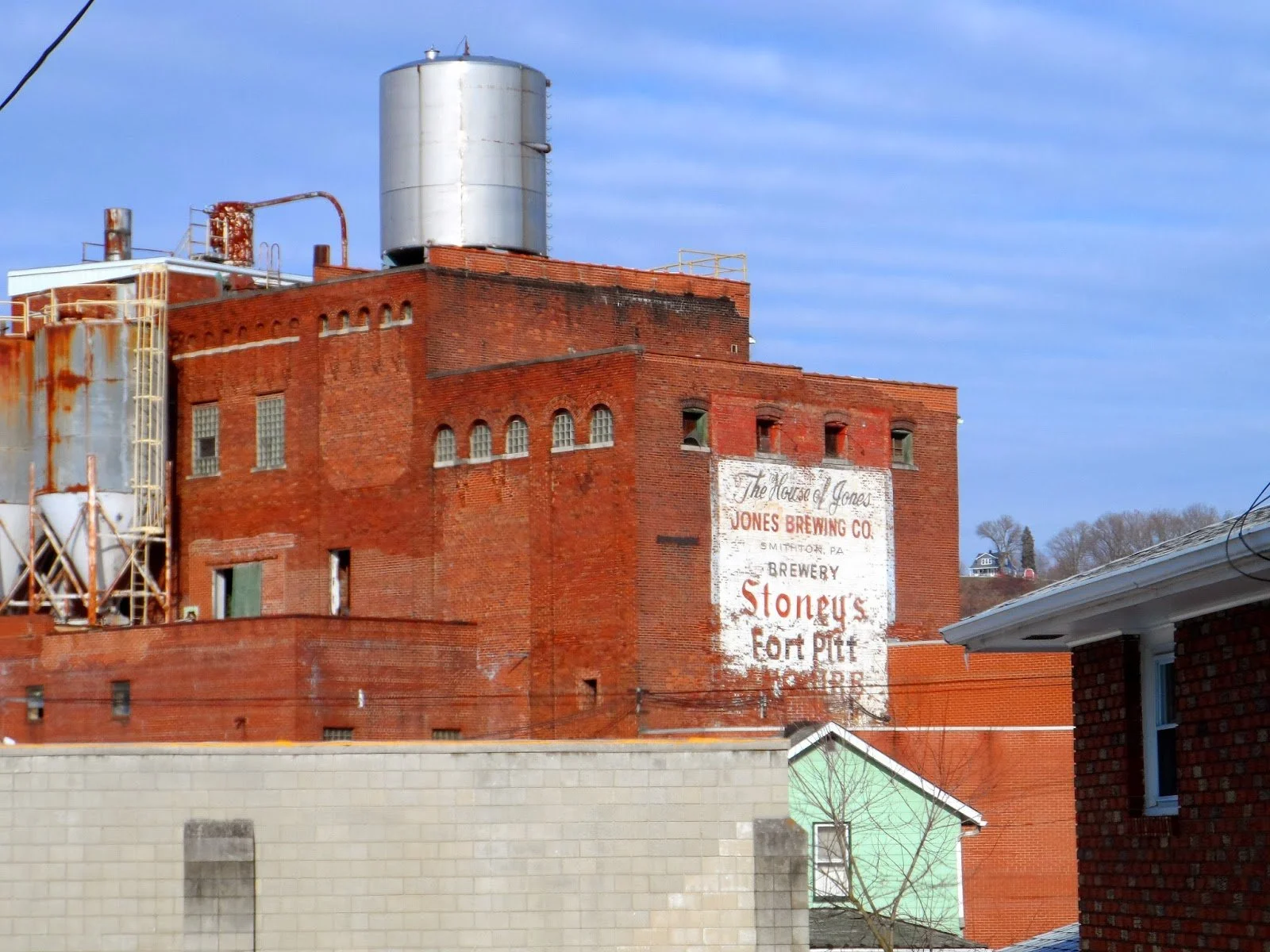
In 1907, a man named William Benjamin "Stoney" Jones sat down at a card table and walked away with more than he bargained for. The deed to the Eureka Gold Crown Brewery changed hands that night, and Stoney moved the operation from Sutersville to a small borough along the Youghiogheny River called Smithton, Pennsylvania.
Smithton was the kind of place that doesn't make headlines. A few hundred people, a handful of streets, coal mines nearby, the river running along the edge of town. But Stoney Jones made it mean something. He set to work crafting a beer built on honest ingredients, honest labor, and an honest price. It didn't take long before the people of the Mon and Yough Valleys started asking for it by name.
They called it Stoney's.
By 1933, after surviving Prohibition through equal parts stubbornness and ingenuity, Jones renamed the brewery Jones Brewing Company and officially gave the beer the name everyone had already been using for years. Stoney's Beer was born, and it belonged to this part of Pennsylvania in a way that few things ever do.
The brewery became a living, breathing part of Smithton. People worked there. Families grew up in its shadow. The beer flowed down the river valley and into the hands of steelworkers, miners, farmers, and tradespeople who had put in a full day and earned something cold and good at the end of it. Stoney's was the beer for people who worked. Not because someone wrote that on a can. Because it was true.
For decades, Stoney's thrived. It won awards. It filled refrigerators across Western Pennsylvania and into West Virginia and Ohio. It became a fixture in local VFWs starting with World War Two veterans and continuing through every generation that followed. Shirley Jones, granddaughter of Stoney himself, grew up in Charleroi just down the road, and went on to win an Academy Award. The name Jones, the name Stoney's, the name Smithton — they were all woven together into something that this part of the world could point to and feel proud of.
At its peak, Jones Brewing produced nearly 50,000 barrels of Stoney's Beer a year. The brewery was the heartbeat of the community. It provided jobs, it circulated money, it gave people a sense of ownership in something they could hold in their hands.
When the Heart Stopped Beating
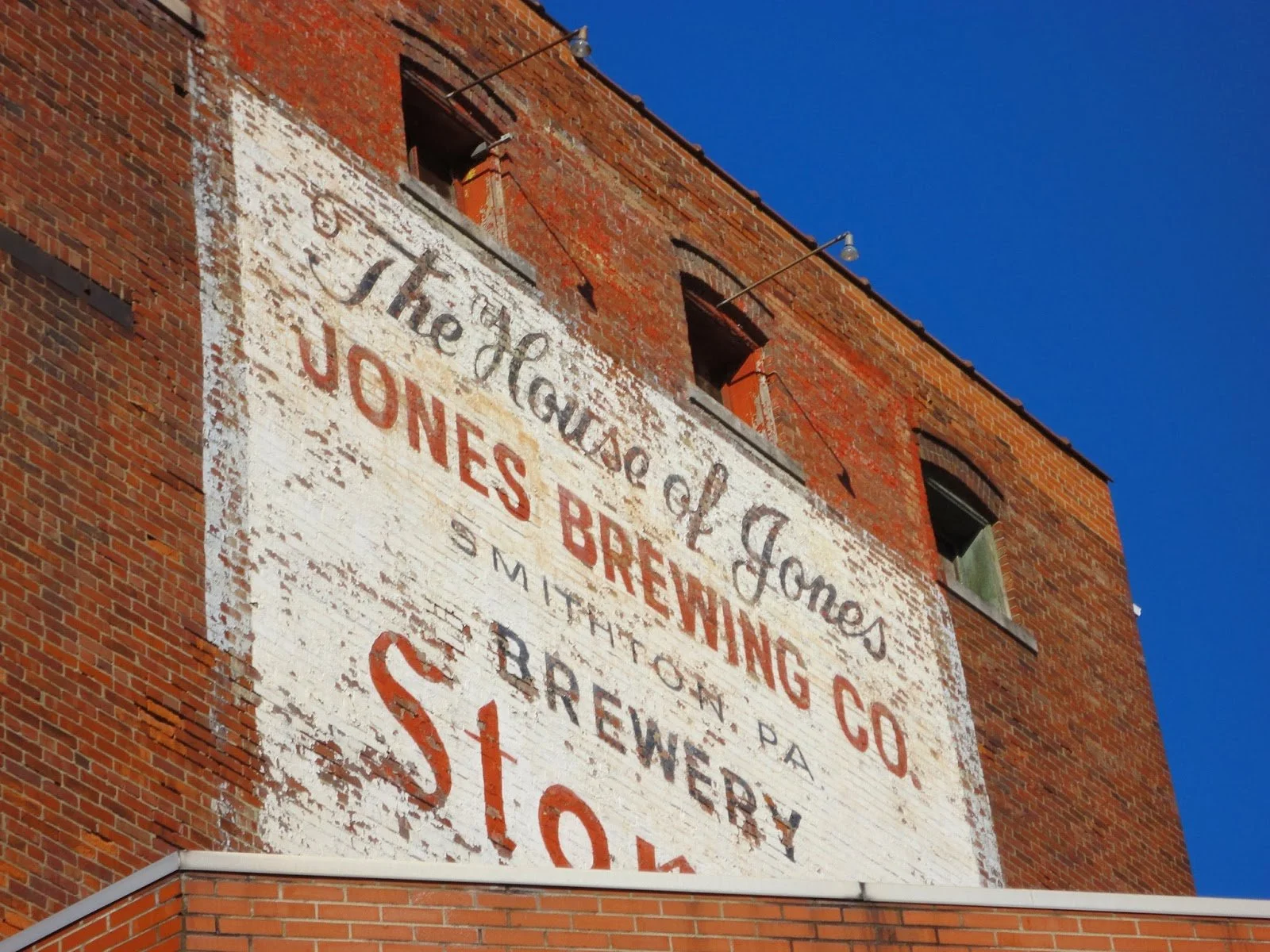
Nothing stays easy forever. After decades of Jones family ownership, the brewery changed hands for the first time in 1988. The new owners tried to keep it going, but the decisions that followed told a different story. Corners got cut. The recipe changed. The brewery fell into disrepair. In 2001, production at the Smithton location stopped entirely. The building that had been the center of that community for nearly a century went dark.
The jobs left. The money left. And in a part of Pennsylvania that had already watched the steel mills close and the coal industry shrink, losing Stoney's wasn't just losing a beer. It was losing an identity. It was losing the one thing that had put Smithton, West Newton, and Charleroi on the map in a way that made people proud.
By 2009, production had dropped to around 15,000 barrels a year. Down from 50,000. Two-thirds of the volume gone. And the people who had grown up calling Stoney's their beer had mostly moved on, out of habit or necessity, to the national brands that had pushed their way into every corner store and bar cooler in the region. Miller Lite. Coors Light. Bud Light. Beers brewed by corporations with no roots here, no employees here, no investment here. Beers that took the money and sent it somewhere else entirely.
The Family That Brought It Back
In 2017, something happened that almost no one expected.
Jon King, great-grandson of Stoney Jones himself, had spent thirty years in finance carrying a quiet dream. He wanted to bring the brewery back. He wanted to see Stoney's in the hands of the Jones family again. When the opportunity to buy the trademarks and licenses came, he reached out to a man he trusted.
That man was John LaCarte.
The LaCarte family has been part of this community for as long as Stoney's Beer has existed. That is not a figure of speech. John LaCarte's great-grandfather, Joseph Ferrando, owned a hotel and livery in Smithton in the early 1900s. He used his horses and wagons to haul kegs of Stoney's Beer through the streets of that town. His great-uncle went to work at Jones Brewery in the 1930s after his father passed, doing what working families in these parts have always done — showing up and putting in the work. And John LaCarte's grandmother, Emma, babysat a little girl named Shirley Jones on the streets of Smithton before Shirley became one of the most celebrated actresses in American history.
Four generations. The same small town. The same families. Long before anyone wrote a contract or shook a hand over a business deal, the LaCartes and the Jones family were already part of each other's story.
When Jon King mentioned the brewery to John LaCarte over lunch, John didn't hesitate. "This is more than a business," LaCarte said. "Stoney's has always been an important part of both our families."
On March 31, 2017, the deal was done. Stoney's Brewing Company was back in the hands of the people it had always belonged to.
Today, Stoney's is operated by the LaCarte family, anchored in Charleroi, Pennsylvania. The LaCarte family runs five companies under the LaCarte Enterprises umbrella, including Model Cleaners, Model Uniforms, Model Apparel, and LaCarte Development. These are businesses that employ real people across this region. Businesses that have been part of this community for decades. When the LaCartes bought Stoney's, they weren't buying a brand to flip or a legacy to exploit. They were finishing something their family had been part of from the beginning.
Stoney's is now brewed at City Brewing Company in Latrobe, Pennsylvania, in the same facility that once produced Rolling Rock. The original Smithton brewery is beyond repair. The building has been condemned. Rebuilding it would cost tens of millions of dollars and the land itself carries decades of industrial history that makes new construction nearly impossible. But the beer is still Pennsylvania. The people behind it are still Pennsylvania. The story is still Pennsylvania.
And today, Stoney's produces over 8,500 barrels of beer a year, available across Western Pennsylvania, Garrett County Maryland, and West Virginia. It has been ranked the second largest Pittsburgh-area brewery by the Pittsburgh Business Times. The heartbeat is back. Slower than it once was, but beating.
Why Drinking Local Still Matters
Here is something that is easy to overlook when you reach into a cooler and grab whatever is cold.
Every dollar spent on a national beer brand leaves this community. It goes to a corporation headquartered somewhere else, owned by shareholders somewhere else, making decisions for people somewhere else. The Mon Valley, the Yough Valley, Charleroi, Smithton, West Newton — none of that is on their map.
Every dollar spent on Stoney's Beer stays here.
It supports a family-owned company based in Charleroi. It supports the LaCarte businesses that employ people across this region. It supports the distributors who load trucks in the early morning hours and make sure that beer is cold and on the shelf at your local bar and your corner store. It supports the bartenders, the bar owners, and the communities that have held on through decades of industrial decline with nothing but stubbornness and pride keeping them standing.
Stoney's is not a perfect story. It is a fighting story. A comeback story. A story that is still being written by real people in real towns who refuse to let this part of Pennsylvania be forgotten.
When Stoney's was at its peak, it helped fund these communities. It provided jobs. It gave people something to point to. When it nearly died, so did a piece of what made this region feel like something worth staying in. Now it's back, and it needs the same people who always believed in it to believe in it again.
Not because of nostalgia. Because it matters.
What Stoney's Stands For
Stoney's has always been a beer for people who work. Not because that sounds good in a tagline. Because it was built by those people, in a town built by those people, sold to those people at a price they could afford after a long day of doing the things that keep this part of the world running.
The welders. The truck drivers. The machinists. The contractors. The people who get up before the sun and come home when it's gone. The people who fix things and build things and haul things and pour things. The people who have kept Charleroi, Smithton, and West Newton alive through everything the last fifty years has thrown at them.
Those are the people Stoney's was made for.
And those are the people who can bring it back.
Stoney's Beer is brewed in Latrobe, Pennsylvania. Find a Stoney's near you at stoneysbeer.com/beer-locator. For People Who Earn Their Beer.